
In automated manufacturing, a limit switch is often the final line of defense separating smooth machine operation from catastrophic equipment failure. However, a silent hazard lurks inside many industrial control panels: contact welding.
The Dual Risks of Limit Switch Contact Welding
Contact welding happens when high-voltage electrical arcing or transient current surges temporarily melt the silver-alloy contact points inside a switch. As the contacts cool, they fuse into a single solid piece. Once a limit switch becomes permanently welded in a closed circuit, it triggers two severe failure chains:
1. The Control Failure Chain (Mechanical Collisions)
When a contact welds shut, the PLC (Programmable Logic Controller) or safety relay receives a continuous “closed” signal. The system assumes the mechanical axis is safe to proceed. As a result:
- Heavy gantries or robotic arms overtravel their physical limit stops, causing severe machine collisions.
- Emergency stop loops or safety interlocks fail to open, creating immediate physical pinch and crush hazards for machine operators.
2. The Thermal Overload Chain (Fire and Equipment Paralysis)
Fused contacts often suffer from poor surface mating, creating extremely high localized contact resistance. As operating current continues to flow through this restricted area, it generates massive amounts of Joule heat :
- The excessive heat melts the internal switch housing and burns surrounding wire insulation.
- In environments with accumulated industrial oil mist or organic dust, this extreme heat can spark dangerous electrical fires, paralyzing the entire production line.
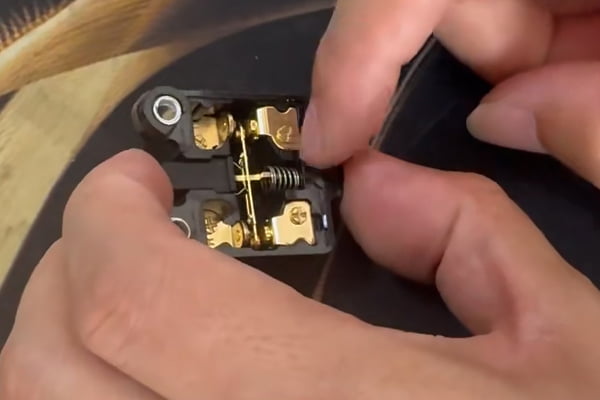
The Limit Switch Solution: Positive Opening Operation (Forced Disconnection)
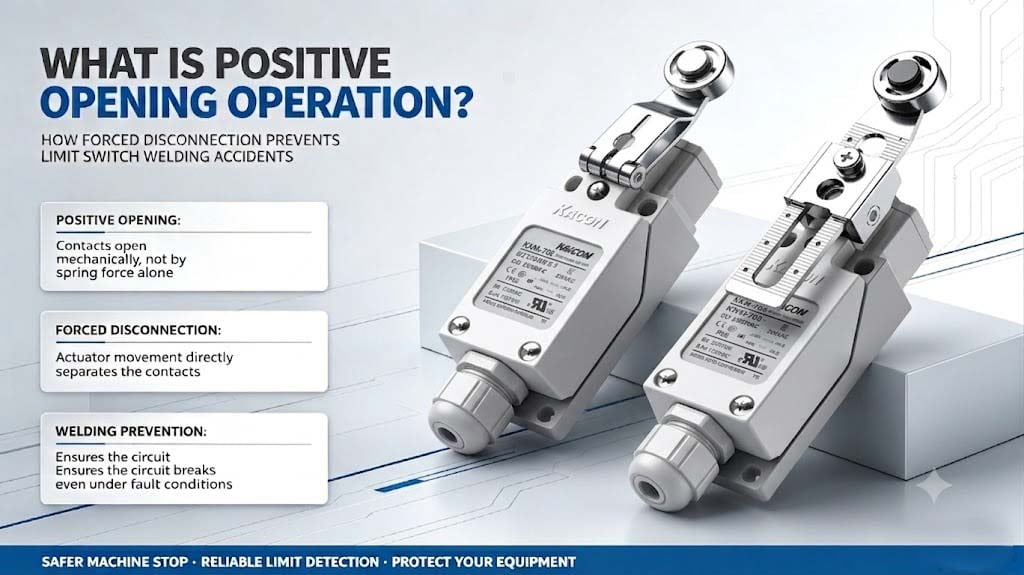
To completely eliminate the catastrophe of welded contacts, modern industrial machine safeguarding standards—such as IEC 60947-5-1 Annex K for positive opening control switches and ISO 14119 standards for interlocking devices associated with guards—mandate the use of switches featuring Positive Opening Operation (also known as forced disconnection).
How Forced Disconnection Works
Unlike standard limit switches that rely solely on an internal return spring to pull contacts apart, a positive opening switch incorporates a direct mechanical linkage connected directly to the actuator head.
- Normal Operation: The switch opens and closes smoothly using its internal snap-action spring.
- In the Event of Contact Welding: When the actuator is depressed (e.g., by a machine guard opening or an overtravel cam), the rigid mechanical mechanism exerts direct, unyielding physical force directly onto the welded contact bridge. This forced mechanical lever action shear-breaks the weld point, physically separating the circuit regardless of spring status.
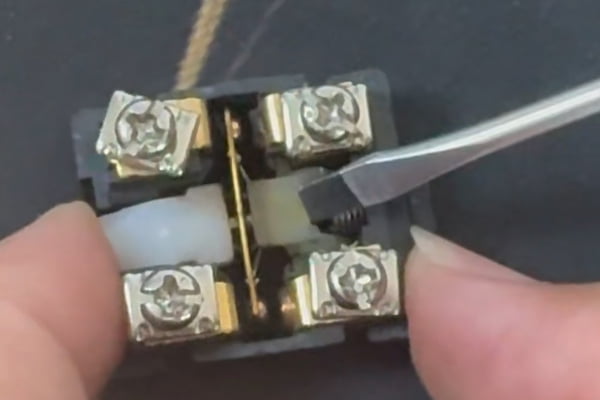
Limit Switch Comparative Matrix: Standard Switches vs. Kacon Forced Disconnection Series
To help plant engineers upgrade their safety architecture, the following matrix compares general industrial switches with Kacon’s heavy-duty and safety limit switch series:
| Feature | Standard Limit Switch | Kacon Forced Disconnection Series (e.g., KXM Series) |
|---|---|---|
| Contact Separation Mechanism | Spring-tension return only | Direct Mechanical Forced Disconnection + Spring |
| Response to Contact Welding | Fails in CLOSED state (Collision & Fire Risk) | Mechanically shears contact weld open (Fail-Safe) |
| Primary Industrial Application | Non-critical position sensing | Emergency Stop Loops, Safety Interlocks & Gate Guards |
Key Benefits for Machine Safety and Maintenance Teams
Upgrading your automated lines with Kacon forced-disconnection limit switches delivers clear operational advantages:
- Guaranteed Operator Safety: Even if an extreme electrical surge welds the contacts, physically pressing the switch or opening the safety guard forces the emergency circuit open, stopping dangerous machinery immediately to prevent operator injury.
- Rapid Fault Diagnosis: Maintenance technicians no longer need to spend hours checking individual wires with multimeters. A tripped forced-disconnection mechanism clearly identifies contact failure at a glance.
- Downtime Reduction: By preventing thermal damage to wiring harnesses and eliminating catastrophic mechanical crashes, plant downtime is reduced from days to a quick switch replacement.
Proactive Safety Engineering with Kacon
At Kacon, we engineer reliability into every layer of our industrial switching hardware. To counter contact welding and severe electrical arcing, Kacon safety limit switches combine positive opening mechanical linkages with premium double-break 24K gold-plated / silver-alloy contacts.
Kacon limit switches disperse arc energy effectively while offering certified forced disconnection capabilities. This dual protection safeguards your workforce, prevents thermal hazards, and keeps your automated production lines running with zero compromise on safety.
Conclusion: Don’t Let a Welded Contact Halt Your Production
A fused contact point may be microscopic, but its financial and physical risks are massive. By specifying Kacon limit switches designed with forced disconnection (positive opening operation), design engineers and maintenance managers can effectively neutralize both mechanical collision risks and electrical fire hazards before they begin.
Explore Kacon Safety Switch Solutions